
When a circuit trips, it’s usually for a reason: earth leakage, a short circuit, an overloaded circuit, or a fault in an appliance or accessory. The safest approach is to work out whether it’s a specific appliance, a specific circuit, or something more intermittent. RIGS handles domestic diagnosis from Tring across Hertfordshire — including recurring circuit tripping in Hemel Hempstead and nearby towns — and explains findings before any repair.
What Does “Tripping” Actually Mean?
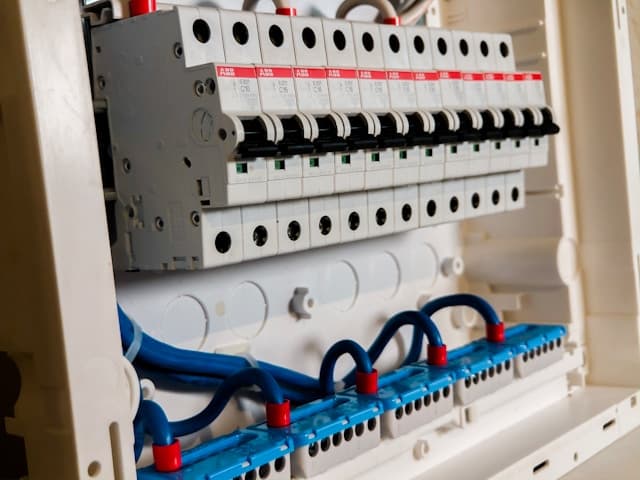
Most modern consumer units use a mix of protective devices. The exact cause depends on what has tripped:
- RCD trips: often earth leakage (moisture, insulation breakdown, faulty appliance)
- RCBO trips: similar to RCD, but specific to one circuit
- MCB trips: often overload or short circuit on a circuit
If you’re not sure which device has tripped, don’t worry. A fault finding visit can confirm what’s operating and why, without guesswork.
Patterns That Help Identify the Cause
Homeowners often describe tripping as “random”, but there’s usually a pattern. These are the clues that matter most:
- Trips instantly when reset: more likely a hard fault on the circuit or a failed accessory.
- Trips after a few minutes: can point to an appliance warming up, moisture, or a connection that fails under load.
- Only trips when it rains: outdoor sockets, garden lighting, and exterior junctions are common causes.
- Trips when one item runs: kettles, washing machines, tumble dryers and dishwashers often expose faults.
Common Causes of Tripping Electrics
- Faulty appliances: kettles, washing machines, tumble dryers and dishwashers are common culprits.
- Moisture: outdoor sockets, garden lighting, bathrooms and utility rooms can cause leakage faults.
- Loose connections: overheating and arcing behind a socket or switch can trigger trips.
- Accessory failure: failed sockets, fused spurs, cooker switches, shower isolators or light fittings.
- Wiring issues: damaged cable insulation, junction box faults, or older wiring struggling under load.
What You Can Check Safely (Without Guessing)
These steps help you narrow down the cause without taking covers off or touching fixed wiring:
- Switch off and unplug appliances on the circuit (start with anything that heats, spins, or is outdoors).
- Reset the consumer unit once.
- Plug appliances back in one at a time to see if one triggers the trip.
- If it trips with everything unplugged, it’s likely a circuit/accessory/wiring fault and needs testing.
If you discover it’s one appliance, keep it unplugged and have it checked. If the trip returns when nothing is plugged in, stop resetting and book proper testing.
When It’s Not an Appliance Problem
These situations usually need electrical testing rather than more resets:
- The same circuit trips even with everything unplugged.
- You’ve got dead sockets in one room or on one wall.
- Lights dim or flicker before the trip happens.
- The trip started after heavy rain (outdoor fault is likely).
A useful next step is an EICR certificate if your home hasn’t been tested in a long time, or if you’ve moved into an older property and you want a clear picture of the installation’s condition.
When to Call for Urgent Help
If you notice burning smells, heat at a socket/switch, buzzing, visible scorching, or power loss affecting safety-critical areas, contact an emergency electrician and keep the circuit switched off.
What Happens During Electrical Fault Finding?
A structured visit involves safe tests to identify leakage, shorts and failed components. See what happens during a fault finding visit, or book electrical fault finding. For Hemel Hempstead circuit-tripping call-outs, use fault finding in Hemel Hempstead.
If nuisance trips are frequent and your board is older, it’s also worth understanding the difference between a modern consumer unit and an older fuse box. This article explains it clearly: Unsafe socket warning signs · consumer unit vs fuse box.
For some homes, a fuse board upgrade can reduce the “whole house went off” scenario by improving protection and separating circuits more effectively.